
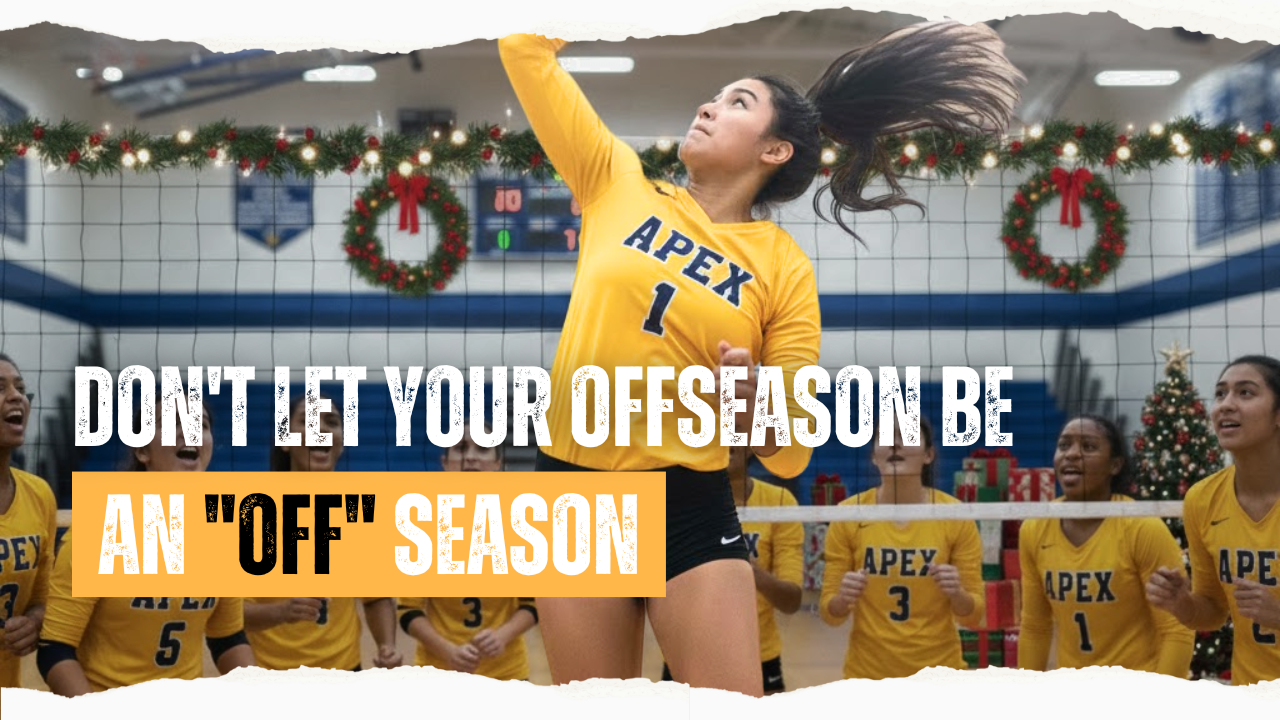
Avoid These 5 Mistakes!
Hey future volleyball stars! The last whistle of the high school season might have blown, but that doesn't mean it's time to put your feet up and forget about volleyball until next year. The offseason is actually one of the most important times for you to grow as a player. Think of it as your secret weapon to come back stronger, faster, and smarter.
But let's be real, it's easy to fall into some traps that can actually hurt your progress. So, let's talk about 5 common mistakes high school volleyball players make during the offseason and how you can avoid them!
Mistake #1: Skipping Strength and Conditioning
This is a big one! You might think "volleyball is all about jumping and hitting," but true power and injury prevention come from a strong, well-conditioned body. Just practicing your hitting approach won't cut it.
Why it's a mistake: Without proper strength training, you're more prone to injuries (like those annoying ankle sprains or shoulder issues!) and you won't be able to generate as much power in your jumps, hits, or serves. Research has consistently shown that strength training improves athletic performance in adolescent athletes. A study published in the Journal of Strength and Conditioning Research highlighted that strength training can significantly enhance jump height and sprint speed in young athletes.
How to avoid it: Get into a consistent strength and conditioning program! This doesn't mean you need to be a bodybuilder. Focus on exercises that build core strength, leg power, and shoulder stability. Think squats, lunges, planks, push-ups, and resistance band work. If you're unsure where to start, talk to a coach or a certified trainer. Even 2-3 sessions a week can make a huge difference.
Here's a glimpse of what a good off-season training session might look like:
Club volleyball can be amazing for development, but there's a fine line between dedicated training and burnout.
Why it's a mistake:
- Too much:
Playing on multiple club teams or practicing constantly without rest can lead to physical and mental burnout, overuse injuries, and a general loss of enjoyment for the sport. Your body (and mind!) needs time to recover and recharge. The American Academy of Pediatrics has even expressed concerns about early sports specialization and burnout in young athletes.
- Not enough:
If you stop playing volleyball completely, your skills will get rusty, and you'll lose that crucial "game sense" and court awareness.
How to avoid it: Find a balance!
- If you're playing club:
Make sure you're listening to your body. Don't be afraid to take a rest day if you're feeling sore or exhausted. Communicate with your coaches.
- If you're not playing club:
Seek out opportunities for open gyms, casual sand volleyball, or even just practicing with friends. The goal is to keep touching the ball and engaging those volleyball muscles and brain cells.
Mistake #3: Neglecting Fundamental Skill Work
It's tempting to only focus on the flashy stuff like hitting bombs or making incredible digs. But often, the biggest improvements come from refining your basic skills.
Why it's a mistake: Your game is only as strong as your weakest fundamental. If your passing platform isn't solid, or your setting contact is inconsistent, those advanced plays will fall apart. It's like trying to build a mansion on a shaky foundation! A study in the International Journal of Sports Physiology and Performance emphasized that consistent practice of basic motor skills is crucial for long-term athletic development.
How to avoid it: Dedicate time to going back to basics.
- Passing:
Work on your platform, moving to the ball, and communicating.
- Setting:
Practice your hand shape, footwork, and consistency.
- Serving:
Focus on a consistent toss and contact point.
- Attacking:
Work on your approach, arm swing, and hitting zones. Use a wall, a partner, or even just a ball to drill these skills repeatedly. Repetition builds muscle memory!
Imagine honing those basic skills, like setting, to perfection:
Volleyball isn't just physical; it's a huge mental game. Your attitude, focus, and confidence play a massive role in your performance.
Why it's a mistake: Even if you're physically fit and skilled, a weak mental game can lead to frustration, self-doubt, and poor performance under pressure. The offseason is a perfect time to build mental toughness when the pressure of competition isn't as intense. Sports psychology research, like studies found in the Journal of Sport and Exercise Psychology, consistently shows the positive impact of mental training on athletic performance, including reduced anxiety and improved focus.
How to avoid it:
- Set goals:
What do you want to achieve next season? Write them down and break them into smaller steps.
- Visualize success:
Spend a few minutes each day imagining yourself making great plays, serving aces, and communicating effectively.
- Practice mindfulness:
Learn to stay present and focused. This can help with managing nerves during games.
- Watch pros:
Watch high-level volleyball. Pay attention not just to their skills, but how they react to mistakes, how they communicate, and their overall composure.
Mistake #5: Ignoring Nutrition and Recovery
Your body is your engine, and what you put into it (and how you treat it afterward) directly impacts how well it performs.
Why it's a mistake: Poor nutrition can leave you feeling sluggish, hurt your energy levels during workouts, and slow down muscle recovery. Not getting enough sleep is like trying to run a race on an empty tank – your body simply can't perform its best or repair itself effectively. The American Council on Exercise (ACE) consistently emphasizes the critical roles of proper nutrition and adequate sleep in an athlete's recovery and performance.
How to avoid it:
- Fuel your body right:
Focus on whole foods: plenty of fruits, vegetables, lean proteins (chicken, fish, beans), and complex carbohydrates (whole grains). Hydration is also key – drink lots of water throughout the day!
- Prioritize sleep:
Aim for 8-10 hours of quality sleep each night. This is when your body repairs itself and builds muscle. It's not a luxury; it's a necessity for athletes.
- Active recovery:
Don't just sit on the couch after tough workouts. Light stretching, foam rolling, or a gentle walk can help reduce muscle soreness and improve flexibility.
The offseason is your time to shine and make those big leaps in your game. Avoid these common mistakes, put in the work, and you'll be amazed at how much stronger and more confident you feel when tryouts roll around next season! Good luck, and see you on the court!


Leave a comment
This site is protected by hCaptcha and the hCaptcha Privacy Policy and Terms of Service apply.