

The Athlete’s Guide to Surviving the Bench (and Winning Anyway)
It’s April. The season is in full swing. You’ve put in the work all winter, but when game day comes, you’re stuck on the sideline watching the same three players get every rep.
It feels personal. It feels like your hard work is being ignored. And honestly? It feels unfair.
Here’s the reality: Playing time isn't always a 1:1 reflection of your talent. In high school and college sports, playing time is influenced by team chemistry, coaching philosophy, and even "seniority" dynamics. According to the NCAA, only about 3-7% of high school athletes make it to the college level. At that height, the competition for minutes is brutal, and "fairness" often takes a backseat to "winning."
So, if you’re currently riding the pine or getting fewer sets than you deserve, what do you do? Based on sports psychology and actual research, here is how you handle the "unfairness" without losing your mind—or your spot on the team.
1. Shift Your Metrics (The Psychology of Control)
Research in the Journal of Applied Sport Psychology shows that athletes who focus on Task Orientation (improving specific skills) rather than Ego Orientation (comparing themselves to others) have higher levels of motivation and lower burnout.
If the coach isn't giving you minutes, stop measuring your worth by the scoreboard. Start measuring it by your "Micro-Wins."
- Did you nail every serve in practice?
- Did you increase your vertical by half an inch?
- Are your transitions faster than last week?
2. The "Garage Reps" Strategy
When you aren’t getting reps in the game, your skills can stagnate. This is the "Playing Time Paradox": you need game time to get better, but you need to be better to get game time.
To break the cycle, you have to create your own "game environment" outside of practice. This is where elite athletes separate themselves. If you aren't getting 50 spikes a day in practice, you need to get them at home.
- The Tool: Using a Volleyball Spike Trainer or an Adjustable Volleyball Rebounder allows you to get 100+ reps in 20 minutes.
- The Goal: Make it so that when the coach does finally look your way, your muscle memory is so sharp they can't afford to keep you off the floor.
3. Have the "Pro" Conversation
Don’t complain to your teammates; talk to your coach. But there’s a right way to do it. Research on the Coach-Athlete Relationship suggests that "proactive communication" leads to better satisfaction for both parties.
- Wrong way: "Why am I not playing? It’s not fair."
- Right way: "Coach, I want to contribute more to this team winning. What is one specific area of my game I need to improve to earn more minutes?"
This flips the script from you being a "problem" to you being a "solution."
4. Be the "Culture Carrier"
It’s a tough pill to swallow, but studies on Team Cohesion show that the most successful teams have "bench players" who are as engaged as the starters. If you’re moping on the sideline, you’re actually proving the coach right.
Be the loudest person on the bench. Track stats. Call out hitters. When you act like a starter even when you aren’t starting, you become indispensable to the team's energy.
5. Invest in Your Own Development
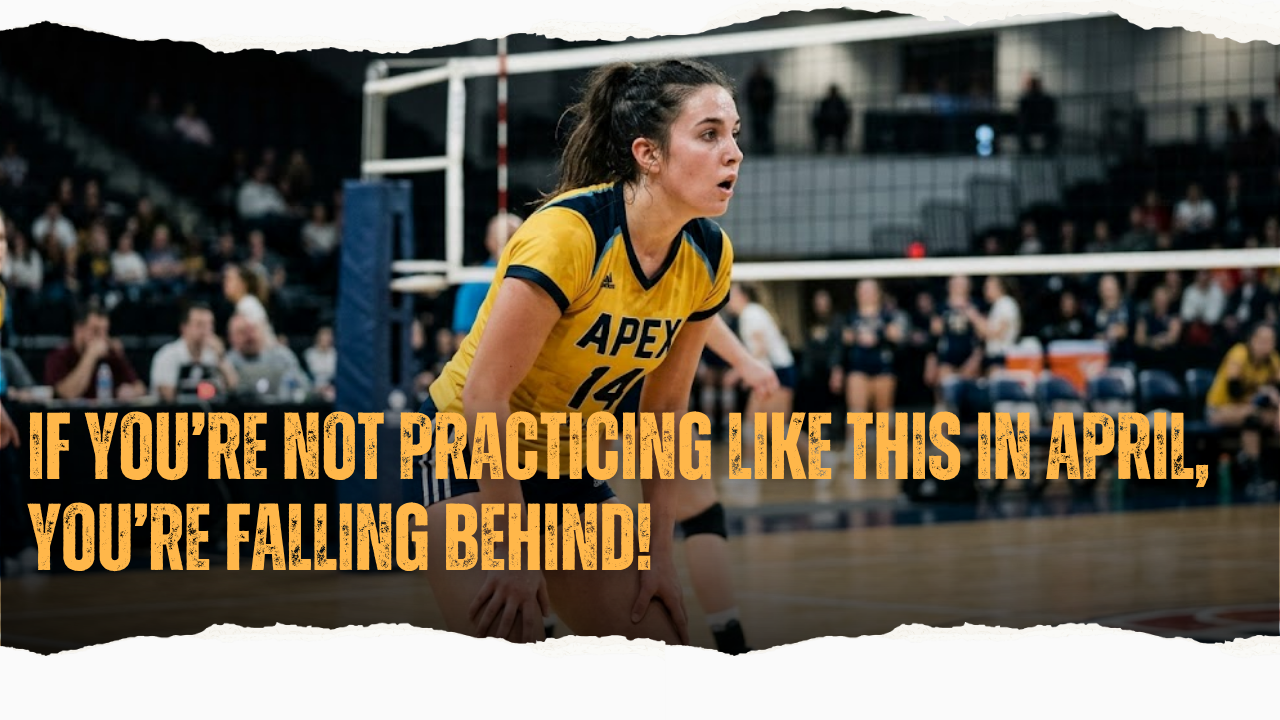
April is the month where many athletes "check out" if they aren't starting. Don't. If the team practice isn't giving you the technical work you need, take ownership. Set up a Volleyball Training Station in your driveway or backyard. While everyone else is complaining about the lineup, you’re in the lab perfecting your contact point.
The Bottom Line
Playing time might not be fair, but your response to it is entirely within your control.
High-level sports are a marathon, not a sprint. The athlete who uses the bench as fuel to train harder at home with the right gear—like an Apex Sports Rebounder Net—is the one who eventually gets the call.
This April, stop waiting for permission to be great. Train like a starter, even if you’re waiting for your turn.
Ready to take your training into your own hands? Check out the Apex Sports Volleyball Collection and get the reps you aren’t getting at practice.


Leave a comment
This site is protected by hCaptcha and the hCaptcha Privacy Policy and Terms of Service apply.