
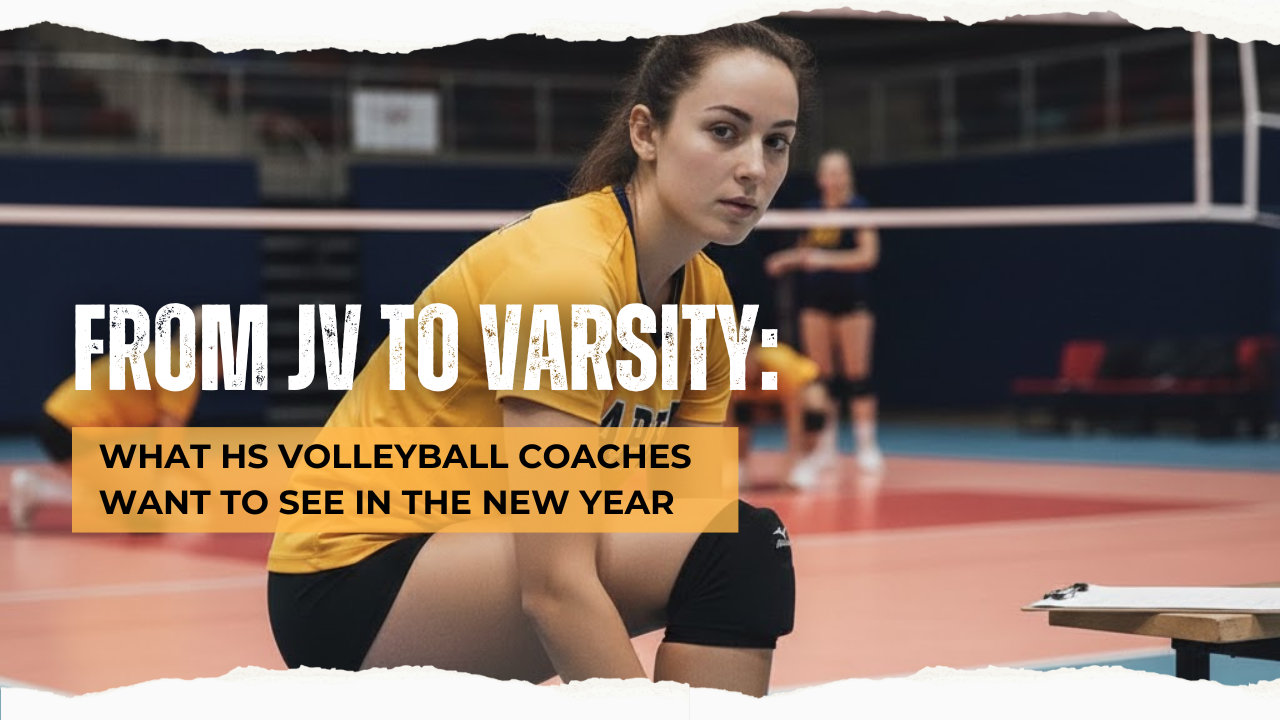
The jump from junior varsity to varsity can feel like a daunting one for many high school volleyball players. It's not just about getting older; it's about a significant shift in expectations, intensity, and skill level. As the new year begins, many players are setting their sights on making that leap. But what exactly are varsity coaches looking for when evaluating talent?Beyond raw athletic ability, coaches are seeking a combination of tangible skills, mental fortitude, and a commitment to growth. Drawing on insights from sports psychology, coaching philosophy, and athletic development, here's a breakdown of what high school volleyball coaches truly want to see in players aspiring for varsity.
Consistent Fundamental Skills Under Pressure
It might seem obvious, but mastering the fundamentals is paramount. Varsity coaches need players who can consistently pass, set, hit, and serve with accuracy and control, even when the game is on the line. As Dr. Jim Loehr and Tony Schwartz emphasize in "The Power of Full Engagement," consistent performance often stems from disciplined practice and the ability to manage energy and focus."Coaches aren't just looking for a flash of brilliance; they want reliability," says Coach Sarah Jenkins, a veteran high school volleyball coach with multiple league titles. "A perfect pass in practice is great, but can you do it when the crowd is roaring and the score is tight? That's the difference."
High Volleyball IQ and Court Awareness
Varsity play is faster and more strategic. Coaches want players who not only know their position but understand the game as a whole. This includes reading opponents, anticipating plays, understanding rotations, and making smart decisions with the ball. This "volleyball IQ" is a critical differentiator.Research on expert performance, such as that by Ericsson, Krampe, and Tesch-Römer on deliberate practice, highlights the importance of mental representation – the ability to perceive and interpret patterns quickly and effectively. A high volleyball IQ isn't just innate; it's developed through focused observation, tactical understanding, and experience.
Coachability and a Growth Mindset
Perhaps one of the most crucial attributes, highlighted in Carol Dweck's work on "Mindset," is coachability. Varsity coaches are looking for players who are open to feedback, eager to learn, and willing to adapt. A player with a growth mindset sees challenges as opportunities to improve, rather than obstacles."I can teach skills, but I can't teach effort or a good attitude," notes Coach Mike Rodriguez, who has guided several players to collegiate volleyball. "I want players who listen, ask questions, apply what they've learned, and aren't afraid to make mistakes if it means trying something new to get better."
Unwavering Work Ethic and Dedication
The commitment required for varsity goes beyond practice hours. Coaches look for players who are putting in extra work – strength and conditioning, individual skill development, and studying the game. This dedication demonstrates a serious commitment to the sport and the team.Sports psychologists often point to self-motivation and intrinsic drive as key components of athletic success. Players who are internally motivated to improve, rather than just seeking external validation, are often the ones who make the biggest strides.
Leadership (Both Vocal and By Example) and Team-First Mentality
Varsity teams often have strong leadership from within. Coaches are evaluating how players interact with their teammates, whether they uplift others, and if they can motivate effectively. This doesn't always mean being the loudest voice; leading by example through hustle, focus, and positive energy is just as vital.A study on team cohesion in sports by Carron, Brawley, and Widmeyer found that teams with higher levels of cohesion often perform better. Coaches want players who contribute positively to the team dynamic, fostering an environment of mutual support and collective effort.
Physical and Mental Toughness
Varsity volleyball is physically demanding and mentally challenging. Coaches need players who can push through fatigue, recover from errors quickly, and maintain composure under pressure. This mental toughness, often referred to as resilience, is a key predictor of success.The ability to bounce back from adversity, maintain focus after a mistake, and perform under duress are traits coaches actively seek. This isn't about being emotionless, but about effectively managing emotions to stay engaged and effective.
The Takeaway
Making the jump to varsity is about more than just playing well; it's about embodying the characteristics of a dedicated, intelligent, and resilient athlete. As the new year unfolds, aspiring varsity players should focus on honing their fundamentals, expanding their game knowledge, embracing a growth mindset, and demonstrating an unwavering commitment to both individual improvement and team success. Coaches are watching, and they're looking for the complete package.



Leave a comment
This site is protected by hCaptcha and the hCaptcha Privacy Policy and Terms of Service apply.